The members
They own the cooperative. They approve strategic decisions and shape its evolution: one member, one vote.
A digital collective where members own the company, decide together and put people before technology.
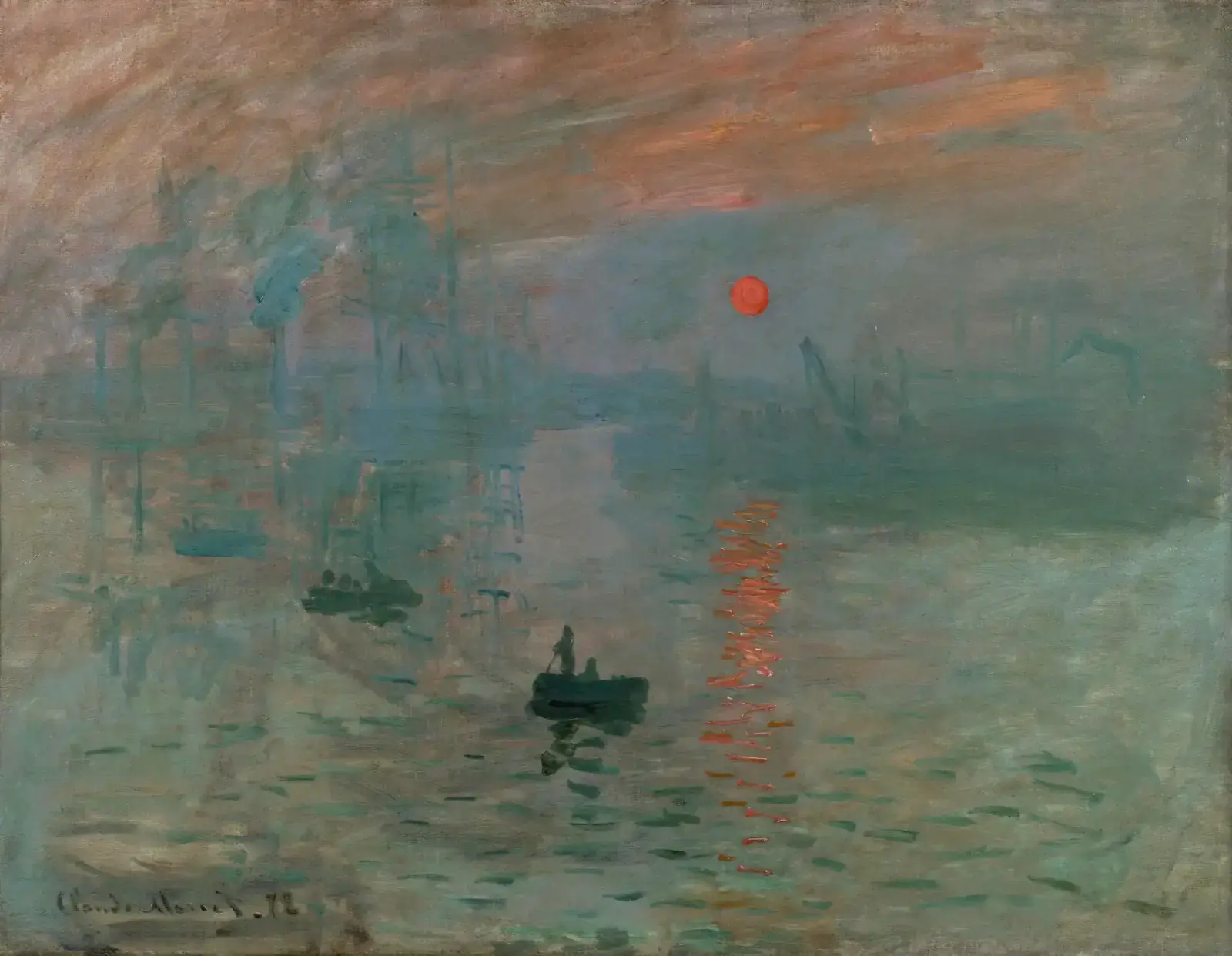
In 1873 Monet, Pissarro, Renoir, Sisley and other artists joined in a cooperative company, the Société anonyme coopérative, to exhibit independently of the official Salon. This painting was in their first show in 1874, and it gave Impressionism its name. A cooperative that changed the way we see. Musée Marmottan Monet, public domain.
We believe technology should be built with people, for people. Humain is a cooperative: its members own it and run it, with transparency and inclusiveness.
Everyone contributes, and everyone benefits.
Decisions start from people, not just profits.
One member, one vote.
Roles are distinct but connected: everyone knows what they decide and what they do, without hierarchy.
They own the cooperative. They approve strategic decisions and shape its evolution: one member, one vote.
Elected by the members, it safeguards our values and long-term vision. It checks that decisions fit the cooperative's mission, rules and ethics.
They organize projects, develop solutions and work in teams with autonomy, turning shared decisions into results.
Governance, ownership and work support one another: that is what keeps the cooperative sustainable over time.
Six values guide our everyday work.
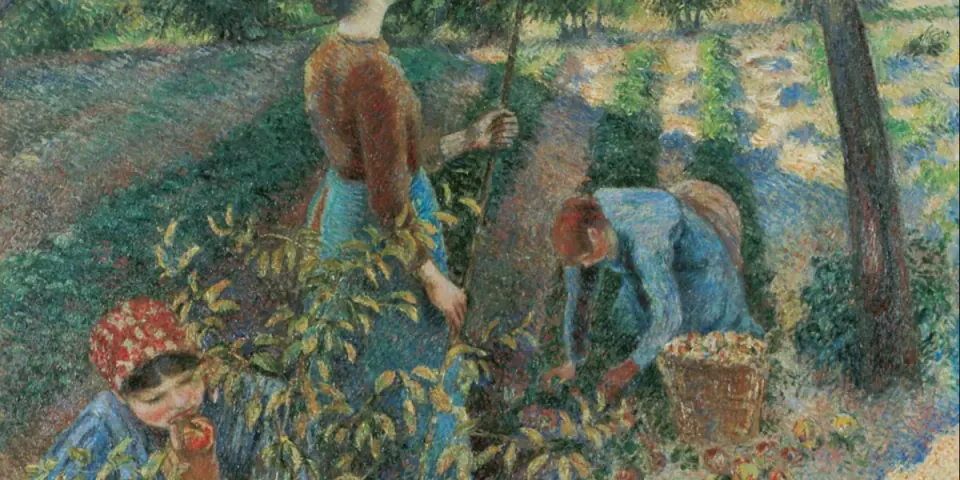
Pickers working together in an orchard: the harvest belongs to everyone. Pissarro was among the founders of the Société anonyme coopérative in 1873. Dallas Museum of Art, public domain.
Every member carries real weight and works toward a common goal, with no internal competition. Less hierarchy, more participation.
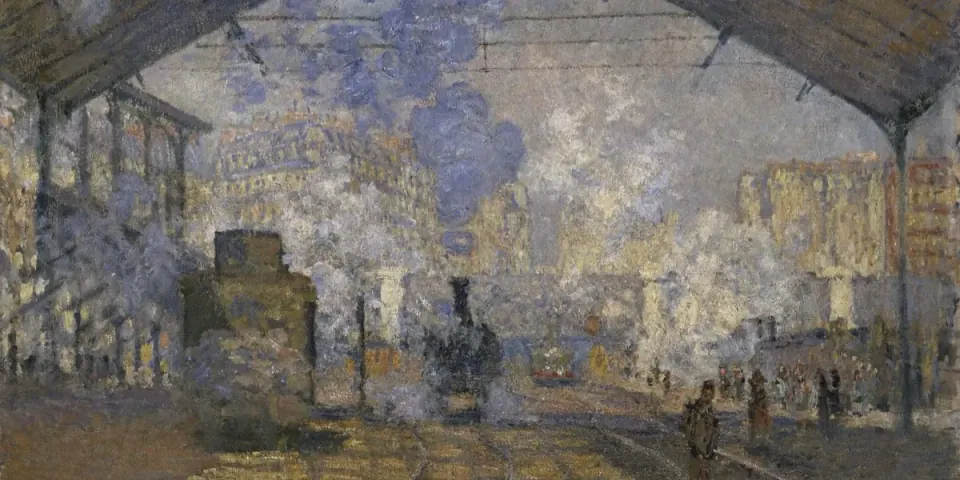
The steam train, new technology at the time, becomes the subject of the painting: Monet painted the station a dozen times in 1877. Public domain.
We are not just a tech company. For us, technology exists to improve how people use digital tools, for those who build it and those who use it.
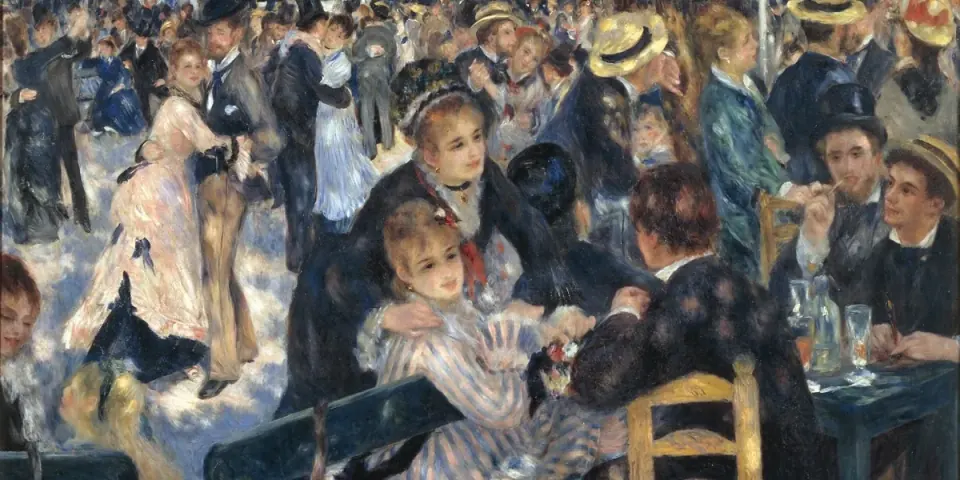
A Sunday in Montmartre: workers, artists and seamstresses dance together, regardless of class. Musée d'Orsay, public domain.
We grow by collaborating, not competing. We welcome diversity and new members, and build an environment where everyone can contribute.
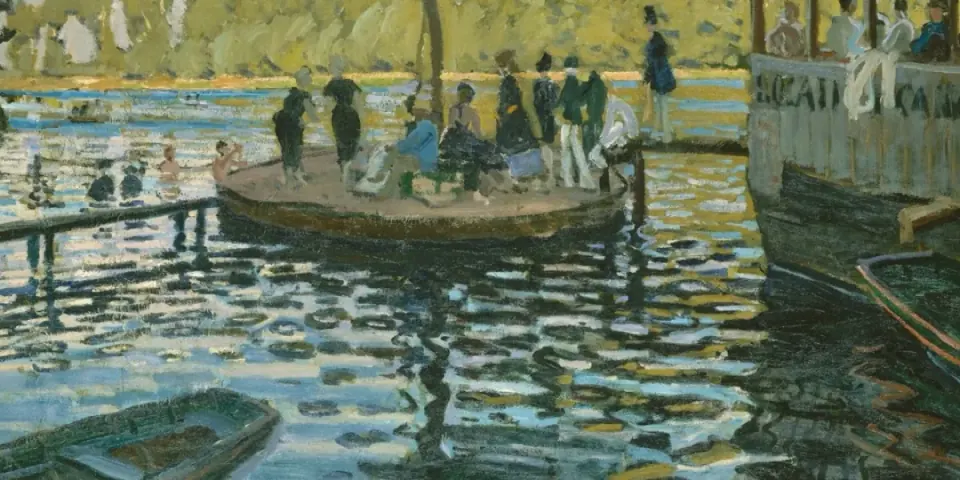
In 1869 Monet and Renoir painted the same scene side by side at Bougival: each openly shows their own way of seeing. Public domain.
We share information and say things as they are, within the team and with clients. Where the market is often opaque, clarity comes first.
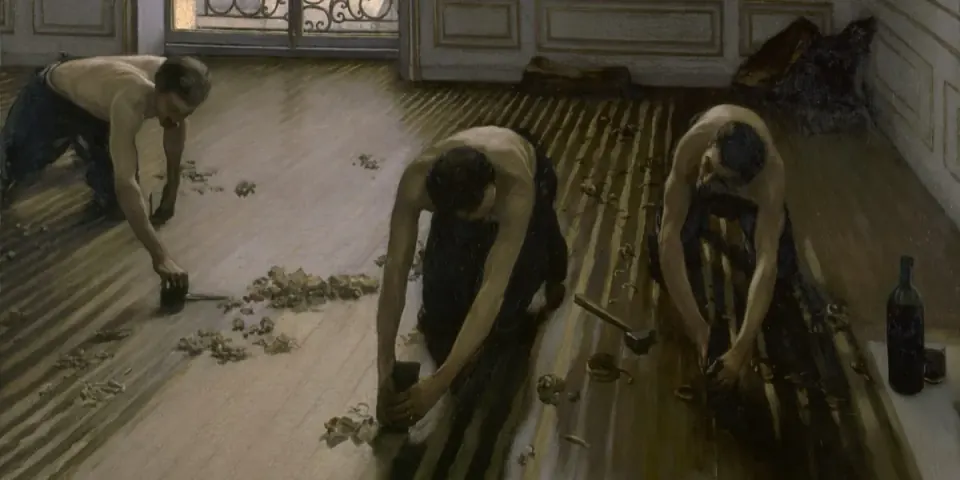
Three workers, each responsible for their own stretch of floor. Rejected by the 1875 Salon, it was shown with the Impressionists in 1876. Musée d'Orsay, public domain.
Every member is personally accountable for shared choices: autonomy, responsibility and trust are the foundation of teamwork.
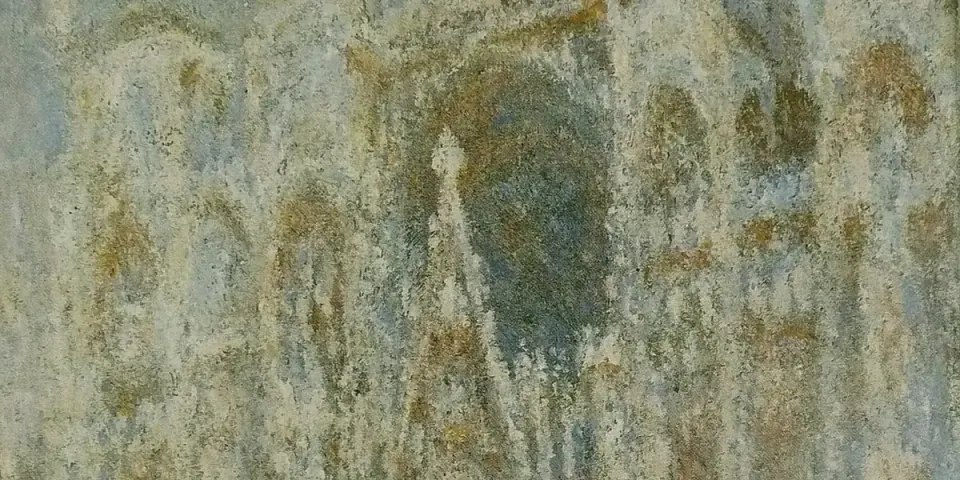
Same façade, over thirty canvases, different hours and light: each version is a step forward. Public domain.
We keep learning. Tools change; the drive to improve and try new things stays.
Governance is not a ladder of roles but a set of shared responsibilities. Besides project work, members look after eight areas in small cross-functional teams.
 Technical
 Research
 Marketing
 Project
 Business
 EU Projects
 Finance
 Coop Eff.
Each area is run by a group of members who make operational decisions on their own, in line with our mission and values. Responsibilities go to those with the right skills and experience.
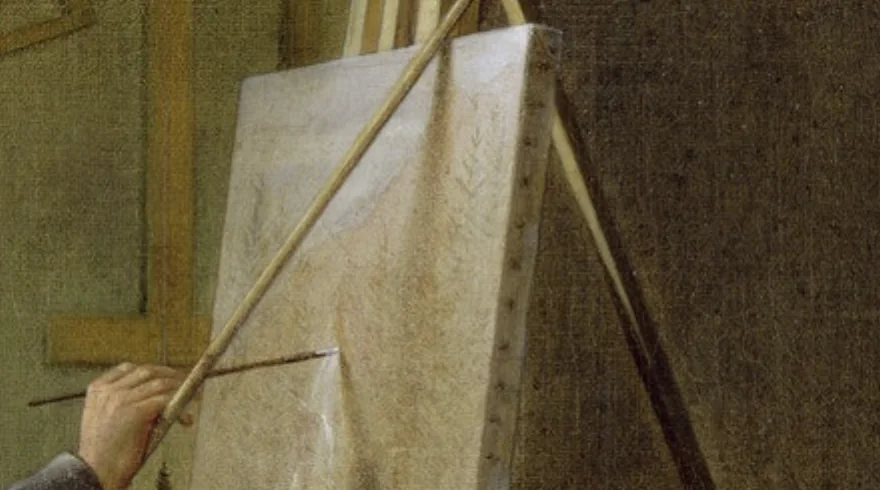
The first stroke on a canvas that is still blank: the future gets built by starting. Hamburger Kunsthalle, public domain.
If you want to see how we work, tell us what you need, or just have a chat, you can reach us by phone or at our office in Dalmine.